
Anxiety and Anger: Is There a Connection?
Allison Kim
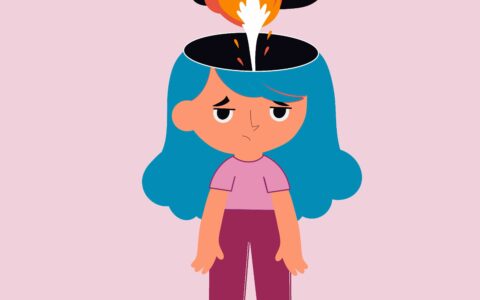
Anxiety and anger are emotional responses that can be triggered by a perceived threat or loss of control and often go hand in hand. In many ways, they are like two sides of the same coin – fear or anticipation of danger giving rise to anxiety, and anger surfacing as a defensive reaction to it.
Both emotions spring from the body’s fight-or-flight stress response, trigger similar hormonal surges and physiological responses in the brain, and share matching physical symptoms such as increased heart rate, muscle tension, and rapid breathing. This connection enables them to fuel one another, with anxiety being the driving force behind anger, or vice versa, and it is not uncommon to experience them together or interchangeably.
Symptoms of Anxiety That Can Turn to Anger
Irritability Irritability is a less intense kind of anger, and is one of the most common symptoms of anxiety that has been triggered by prolonged worry or unease. It can be accompanied by restlessness and muscle tension, which exacerbate it, diminish your tolerance, and eventually cause it to morph into full-blown anger.
Cognitive distortions Cognitive distortions are irrational or exaggerated thought patterns, such as catastrophizing and overgeneralization, that are often characteristic of anxiety and that fuel anger by creating a distorted perception of reality.
Examples of Anger Issues Caused by Anxiety
Not all anger issues are caused by anxiety, but anxiety that is not addressed usually leads to frustration, and frustration to anxiety-related anger.
Take, for instance, a situation that does not go according to plan. You feel uncertain and full of anxiety about what the outcome will be. Increasing agitation and frustration about your circumstances, the people involved, and the impact it is having on your life can culminate in anger. This anger can be directed outwardly at others or turned inwardly toward yourself.
Or, you may feel anxious or scared about something, but lash out in anger to mask it. This can be because anger seems like a more socially acceptable response than the perceived weakness associated with anxiety or fear, and because it provides you with a temporary sense of power and control.
Other factors that can contribute to and exacerbate an anxious person’s predisposition to anger include sleep deprivation, changes or disruptions to their daily routine, and excessive stress.
Practical Coping Strategies for Managing Anxiety and Anxiety-Related Anger
Learn to recognize the early signs An important first step in managing anxiety and preventing it from escalating into anger is learning how to recognize the early signs of frustration, agitation, or irritability.
Identify your triggers Notice what types of situations and interactions cause you to feel anxious, and look for what it is about them that makes them turn into anger. (You may need the help of a trained mental health professional to unpack the connection.)
Question your thinking Ask yourself what the likelihood is that what you are feeling anxious about would actually come to pass, and try to see things from a more rational, realistic perspective.
Engage in regular exercise Exercise is a healthy, productive way to release pent-up energy and frustration, and prevent anger from escalating. Studies have shown that it supports overall physical and mental well-being. It also helps manage symptoms of both anxiety and anger by reducing stress hormones, releasing mood-boosting endorphins into the bloodstream, enhancing muscle relaxation, and building confidence and self-control.
Spend time outdoors Spending time outdoors boosts your mood. Studies indicate that walking in a park or a treed area for 10 to 15 minutes can help reduce heart rate and blood pressure, have a calming effect on your body and mind, decrease feelings of stress, anxiety, and anger, and uplift your mood.
 Practice grounding yourself with mindfulness techniques When you feel overwhelmed by anxiety or anger, mindfulness techniques can interrupt the cycle. They can help you regain your composure by having you accept your thoughts, feelings, and physical sensations without judging or trying to interpret or change them.
Using your five senses to redirect your attention to the present moment instead of ruminating about the past or being anxious about the future helps you feel better.
Focus on your breathing Deep, slow breathing is another grounding technique that can help reduce stress and alleviate symptoms of anxiety and anger. Focusing on your breath shifts your attention away from triggering thoughts, feelings, and sensations, activates your body’s relaxation response, helps calm your nervous system, and enables you to center yourself and think more rationally.
Implement timeouts in emotionally charged situations Learn to recognize the physical and emotional cues that signal a situation is becoming emotionally charged. Then, physically remove yourself before anger or anxiety has a chance to escalate.
Explain to the other person that you need a timeout to cool down and will return to continue the conversation as soon as you do. Timeouts give you a chance to regain your composure and see things from a clearer, more rational perspective. It can prevent you from impulsively saying or doing something you may later regret.
Use mindful pauses Whether it is by taking a few deep breaths or counting slowly to ten before responding, a mindful pause involves intentionally taking a brief moment to calm down, refocus, and regain perspective before reacting impulsively to a triggering situation. It gives you a chance to think before you speak or act. Instead of saying or doing the first thing that comes to mind, you can help keep your emotions from escalating.
Journal Writing down your thoughts, feelings, and sensations helps create some space between you and them by getting them out of your head and onto paper. It can also help you identify patterns and triggers, and see things from different perspectives.
Practice being solution-oriented Anxiety and anger tend to keep you defensively focused on potential threats and how others are responsible for your problems. Look, instead, for ways to shift your focus from external blame to internal reflection on your part, and healthy ways you can solve them.
Seek professional help A trained mental health professional can help you unpack and address what’s at the core of your anxiety and anger and the things that trigger them. They can equip you with coping skills to help you regulate these emotions and manage the stressors in your life that lead to them.
Effective Treatments For Anxiety And Anxiety-Fueled Anger Disorders
The most effective treatments involve a combination of therapy and lifestyle adjustments, such as the following:
Cognitive behavioral therapy (CBT): Cognitive behavioral therapy is a gold standard, evidence-based form of therapy that has been recognized as highly effective in treating anxiety and anger disorders. Its premise is that your thoughts influence your emotions and behaviors.
The goal of CBT is to teach you how to recognize and reframe dysfunctional thought patterns that lead to erroneous conclusions and distort your view of reality. It can then equip you with strategies to manage your triggers and respond to them in healthier, more effective ways.
Dialectical behavior therapy (DBT) Dialectical behavior therapy is a modified form of cognitive behavioral therapy that focuses on emotional regulation, distress tolerance, and mindfulness skills. Its focus is on teaching you how to manage intense emotions and stressful situations without resorting to impulsive or destructive behaviors, develop healthy coping skills, and improve your interpersonal relationships.
Mindfulness and relaxation techniques Mindfulness and relaxation techniques such as deep breathing, progressive muscle relaxation, and grounding techniques can help you learn how to deal with anxiety and anger more effectively.
You can learn to control some of the physical symptoms by focusing on the present moment, relaxing and calming your body, and reducing feelings of reactivity or judgment. These techniques may be incorporated into other forms of therapy or used as standalone interventions.
Healthy lifestyle choices Healthy lifestyle choices can help improve your overall emotional health and sense of well-being, as well as your ability to manage anger and anxiety. Regular exercise, for instance, can help limit the amount of stress hormones in your body, as well as improve the quality of your sleep.
Eating a balanced, nutritious diet and staying hydrated can improve and stabilize your mood. Getting enough sleep can help regulate stress hormones, improve cognitive processing, decrease anxiety, and increase your resilience to stress.
If you would like to set up a risk-free appointment to meet with one of the faith-based counselors at our location, please give us a call.
References:
Heather Smith. “Is there a connection between anxiety and anger?” MedicalNewsToday. July 17, 2024. medicalnewstoday.com/articles/anxiety-and-anger#.
Jennifer Gerlach. “When Anxiety Shows Up as Anger.” Psychology Today. November 21, 2023. psychologytoday.com/us/blog/beyond-mental-health/202311/when-anxiety-shows-up-as-anger.
Leon F. Seltzer. “Why Anger Is Nothing More Than Repressed Anxiety.” Psychology Today. November 16, 2022. psychologytoday.com/us/blog/evolution-the-self/202211/why-anger-is-nothing-more-repressed-anxiety.
Photo:
“Hot Head”, Courtesy of Cecilia Miraldi, Unsplash.com, Unsplash+ License