
What is an Anxiety Attack and What Should I Do if I Have One?
BreAnna Boyd
Have you ever felt a moment of intense panic, fear, or dread over which you had little or no control? Did you experience racing thoughts and unsettling experiences in your body? These are some of the ways an anxiety attack can manifest, causing significant distress.
Anxiety attacks may come on suddenly without any seeming cause or may be induced by stressful circumstances overwhelming the nervous system. This article will look at anxiety attacks and their definition, along with the varying ways that symptoms may present, and offer empowering tools to help with the future management of anxiety.
Anxiety Attacks vs. Panic Attacks
It is good to consider the definition of an anxiety attack so we may better understand them. The term “anxiety attack” is often used interchangeably with “panic attack,” although they can look different. Panic attacks are a diagnosable condition in the DSM, the manual that counselors reference when considering diagnosis.
The definition of an anxiety attack can be convoluted because of the variation in cause and symptom presentation, whereas panic attacks have specific markers to indicate the condition.
Regardless of whether an anxiety event is considered a panic attack or a more generalized anxiety attack, these experiences are often profoundly unsettling to the individual experiencing them. Anxiety attacks can cause great distress and increased worry about experiencing similar events in the future.
What Happens During an Anxiety Attack
During the onset of an anxiety attack, symptoms may take many forms, depending on the individual and the scenario. Universal experiences include feelings of loss of control, some type of physical sensation, and intense feelings of fear or dread.
Many people describe feeling as if they are about to die when in the throes of an anxiety attack. Some physical symptoms may include a pounding heart, feeling faint or out of breath, dizziness, nausea, breathing fast, and feeling flushed or having sweaty palms.
 Anxiety attacks occur when the nervous system is overwhelmed, either due to true, intensely stressful circumstances or an overactive alarm system in the brain that may be sending false signals to the body. When our alarm system, managed by the amygdala, is triggered, our body will instinctively enter the stress response, causing one of three modes: fight, flight, or freeze.
It is preparing to keep you safe! The amygdala signals the hypothalamus to release cortisol, the stress hormone, and, through the sympathetic nervous system (SNS), a cascade of hormonal and physiological shifts occurs within moments of the original trigger, whatever it may be.
The stress response system has a purpose: to prepare the body to either engage in combat for survival or to flee the threat. The freeze response has a different purpose, but anxiety attacks more often relate to fight or flight. Symptoms that occur during an anxiety attack all have the physiological purpose of keeping you alive, although they may be exacerbated to extreme and unhelpful levels during an attack.
Some of the ways your body uses symptoms to prepare for survival include a rapid heart rate and breathing to prepare the body for running and increase physical capacity, pupil dilation to increase visibility, and a digestive system pause to allow the more efficient management of energy. Your body also increases in blood flow, which can cause flushing and sweating in some people.
Common Symptoms of an Anxiety Attack
Some of the unpleasant symptoms related to anxiety are by-products of an overactive stress response system, including nausea, dizziness, and sweating. If there is no active threat but your body triggers the stress response system in reaction to a perceived danger, physical symptoms may be felt to a greater degree due to no outlet for the energy that has flooded your body.
Because there is no threat to survival in that moment, the energy and cortisol pulse through your body, creating an unpleasant and frightening experience, which may increase the feelings of anxiety. This can create a feedback loop that tells your brain danger may still be present, thereby elongating the painful feelings.
What can we do about anxiety attacks if they are caused by false alarms in the brain? Determining the root cause of your anxiety attacks is best done with the help of a trained professional who can partner with you in exploring your individual experiences. They can offer helpful education and resources while listening to your unique story and collaborating with you to create an action plan for improvement.
Reducing the Effects of an Anxiety Attack
Some things can be implemented in the moment that can reduce anxiety or abate an oncoming attack. Many of these tips involve harnessing our body’s power to calm itself, also called the parasympathetic nervous system (PNS). This system has the opposite role of the SNS. We can also use our thoughts as a tool to manage symptoms or prevent attacks we feel might occur.
Cold Water There are several concrete activities you can do when feeling a surge of oncoming anxiety. Some of these include cold water, deep breathing, and sensation exercises. Research has been conducted on the use of cold water in calming the nervous system, especially when it is splashed on the face.
This “diving response” is your body’s mechanism that slows the heart rate to increase oxygen stores in preparation for underwater performance. In essence, cold water on the face can act like a forced reset that allows for the PNS to calm the body’s fight or flight instinct during an anxiety attack. Many people find the cooling sensation of water on their face helpful for reducing anxiety, providing mental clarity, and cooling the body’s temperature if you are feeling flushed.
Deep Breathing
Deep breathing, a popular calming technique, has biological merit. When you practice deep breathing exercises (of which there is a wide variety), it contradicts the body’s fight/flight response. When your body is preparing for action in a perceived survival situation, heart rate increases, and breathing becomes quick and shallow, which can lead to hyperventilation during an anxiety attack.
When intentionally taking control over your breathing, slowing it down, and breathing from the stomach, this can send a message to the body that it is safe, allowing the PNS to do its work at calming the flow of energy released for survival. If you have tried breathing exercises in the past and they have not worked for you, don’t fret! There are many different types of breathing exercises available, and perhaps there is a different style that may work better for you.
Sensation Exercises
A third technique to aid in calming the nervous system during an anxiety attack is sensation exercises. Just like with breathing, there are many different exercises to choose from, which allow for individual preference. Bringing the senses back to the body with present moment awareness allows the brain to recognize the lack of real imminent danger and helps bring the brain down from panic to a calm state, especially if thoughts have begun to spiral anxiously.
A popular technique is the 5-4-3-2-1 exercise. In this, you look for five things you can see, four things you can hear, three things you can feel on your body, two things you can smell, and one thing you can taste. An alternative to bring thoughts into the scene can be choosing one thing for which you are grateful.When you do exercises like these, it brings your awareness back into your body and environment rather than staying in the mental space, where people may sometimes get stuck during moments of anxiety. It is also a service to your body and brain; it helps your brain recognize that the stress response was a false alarm and begin the calming process more quickly.
Thought
Lastly, it is important to harness the power of thought when working to manage anxiety. Thoughts often become tangled, especially when in the throes of an anxiety attack. After noticing that your environment is void of danger, you can remind yourself that you are safe and the sensations you are experiencing are your body’s protective response to keep you away from harm.
It is good to practice any somatic coping responses during this time and remember that these feelings won’t last forever. The average anxiety attack lasts 10-30 minutes, with the peak of symptoms happening at 10 minutes. Though the feelings are real and scary, remind yourself that they are temporary and will pass. If you can keep your thoughts focused and calm, the body will soon follow, rather than producing that biofeedback loop.
Next Steps
This article explained some of the causes of anxiety attacks and the different symptoms that may be present. Additionally, several coping skills were discussed to provide some concrete tools for managing anxiety in the moment. This list was not exhaustive. Many other coping skills can help manage anxiety and panic.
If you or a loved one is working through the challenges produced by anxiety attacks, there is hope! Reach out to our counseling center today to be matched with a therapist who can provide tailored support for your goals.
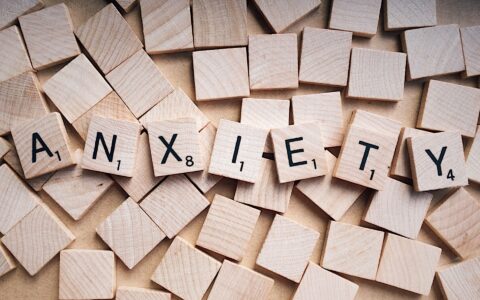
“Anxiety”, Courtesy of Wokandapix, Pixabay.com, CC0 License; “Scooping Water”, Courtesy of Monika Grabkowska, Unsplash.com, Unsplash+ License; “Sun Over Still Water”, Courtesy of Ales Krivec, Unsplash.com, Unsplash+ License